Our Approach to Digital Preservation
We specialize in transforming physical archives into accessible digital collections while maintaining the integrity and authenticity of original materials.
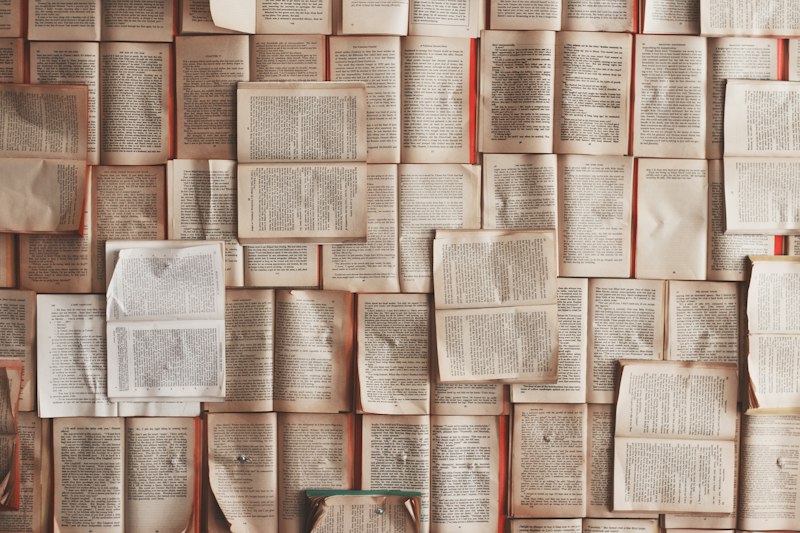
Expertise Rooted in Conservation Principles
Our work sits at the intersection of technology and archival science. Each member of our team brings specialized knowledge in handling historical materials, understanding their physical properties, and applying appropriate digitization techniques.
We work with institutions ranging from local historical societies to university libraries, from corporate archives to private collections. The common thread is a commitment to preserving access while protecting originals.
Methodology and Quality Standards
Our digitization process follows established archival standards. We assess each collection individually, considering factors such as material condition, binding structure, ink types, and paper characteristics.
Resolution settings are determined based on the intended use of digital files. Text documents may require different specifications than photographic materials or architectural drawings. We adjust our approach accordingly.
Equipment and Technical Capabilities
We maintain a range of specialized scanning equipment suited to different material types. Flatbed scanners handle unbound documents. Overhead book scanners accommodate bound volumes without damaging bindings. Photographic copy stands address delicate or oversized materials.
Our technical infrastructure includes calibrated color management systems, archival-grade file format capabilities, and backup protocols designed for long-term digital preservation.
Understanding Institutional Needs
Digitization projects rarely exist in isolation. They support broader institutional goals such as improved access, enhanced research capabilities, exhibition development, and disaster preparedness.
We collaborate with clients to ensure that digitization outcomes align with these objectives. This may involve recommendations for metadata structures, digital asset management systems, or access platforms.
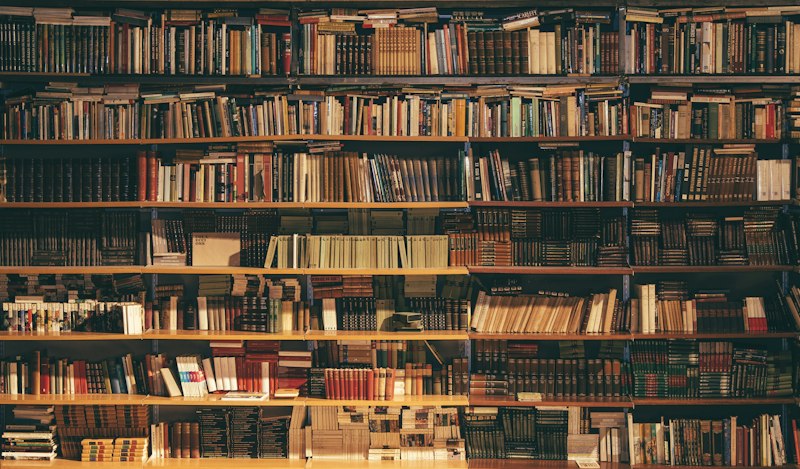
Long-Term Digital Stewardship
Creating digital files is only the first step. Ensuring their longevity requires attention to file formats, storage media, migration strategies, and access systems.
We provide guidance on these aspects, helping institutions develop sustainable digital preservation frameworks that extend beyond the immediate project timeline.